
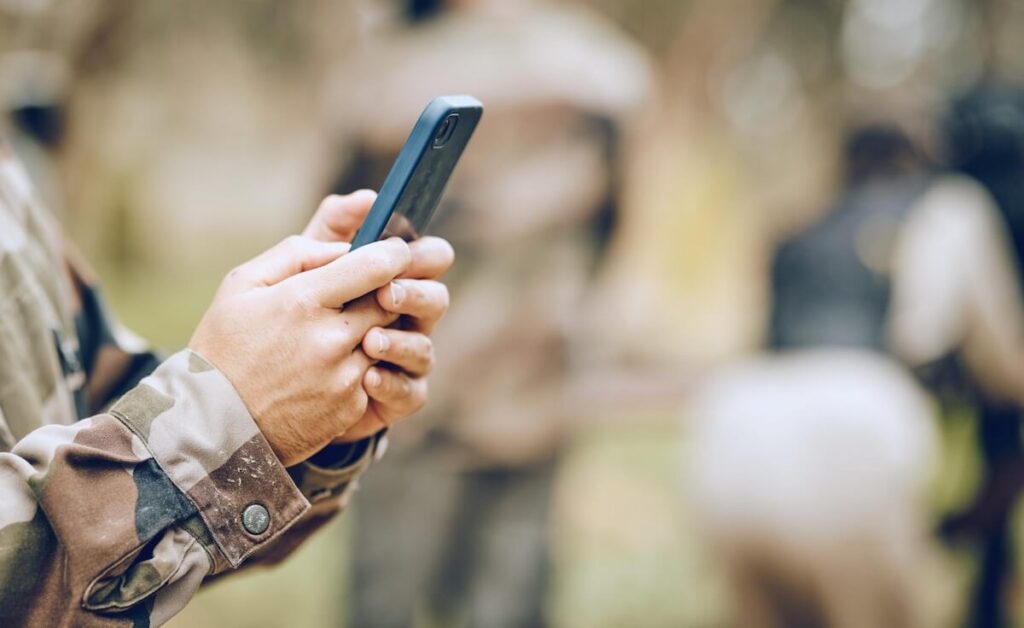
The integration of technology into military operations has significantly transformed how soldiers and staff collaborate, communicate, and execute their duties. One of the most influential trends in this transformation is the Bring Your Own Device (BYOD) policy. Allowing personnel to use their own devices for work purposes increases productivity, enhances mobility, and reduces operational costs. However, while the benefits of Army BYOD are clear, the security risks that come with it can be a considerable challenge. Balancing productivity with stringent security protocols is crucial for the success of the military’s modern digital infrastructure.
In this article, we will explore how the Army can optimize productivity through the BYOD approach, without sacrificing the security of sensitive information or compromising mission success.
The Rise of BYOD in the Military
BYOD has become a significant trend across various sectors, including the military. With the increasing reliance on mobile technology, the army sees the potential in leveraging the devices its personnel already own and use. Smartphones, tablets, and laptops enable personnel to access and interact with essential data, even while in remote or operational environments.
The ability to bring personal devices into the fold allows military personnel to utilize familiar tools, reducing training time and increasing their overall engagement. Additionally, it enhances the flexibility of the workforce, enabling real-time communication, efficient task management, and improved operational decision-making.
However, while the benefits of Army BYOD are substantial, they come with heightened risks, especially concerning data protection and cybersecurity. When personnel connect personal devices to military networks, the door opens for potential data breaches, malware attacks, and unauthorized access to sensitive military data.
Securing Army BYOD: A Strategic Approach
To successfully integrate BYOD within military operations, the Army must implement a robust framework that supports both flexibility and security. This framework should include comprehensive policies, cutting-edge technologies, and proactive monitoring mechanisms.
- Implementing Clear BYOD Policies
The foundation of a secure Army BYOD system begins with clear, comprehensive policies. These policies should specify which devices are allowed, what software and apps are permitted, and how devices should be configured to ensure security. A clear policy also includes guidelines on how personnel should manage and protect their personal devices.
For example, mobile device management (MDM) software can be used to ensure that personal devices meet security requirements before they are connected to military systems. These requirements might include encryption, antivirus software, and strong passwords.
- Army Email App: Secure Communication for BYOD Users
One of the critical challenges in adopting a BYOD approach in the military is ensuring secure communication. The Army email app plays an essential role in facilitating secure email communication, which is vital for operational coordination. By integrating a secure army email app into the BYOD ecosystem, personnel can access encrypted emails and documents on their personal devices. This minimizes the risk of data interception and ensures that sensitive military communications are protected.
Through the Army email app, personnel can communicate across different levels of command, share mission-critical information, and stay connected, even while deployed in remote or austere environments. This secure access is essential in ensuring that the flow of information within the military remains uninterrupted and confidential.
- Employing Encryption and Data Protection Mechanisms
One of the most critical aspects of ensuring security in Army BYOD is the encryption of sensitive data. Whether it’s military intelligence, personnel records, or operational plans, the integrity of sensitive information must be protected at all costs.
Encryption ensures that even if a device is lost or stolen, unauthorized individuals cannot access the data stored within. Furthermore, encryption should be applied both to data stored on the device and data transmitted over the network. By encrypting data both in transit and at rest, the risk of unauthorized interception and access is minimized.
- Implementing Mobile Device Management (MDM) and Enterprise Mobility Management (EMM)
Mobile Device Management (MDM) and Enterprise Mobility Management (EMM) are essential tools for securing personal devices used in military operations. These systems help IT teams control and manage the devices that connect to military networks, ensuring compliance with security standards.
MDM solutions can remotely wipe devices in case of loss or theft, install software updates, enforce security settings like password requirements, and monitor device behavior. By enforcing uniform security policies across all devices, MDM and EMM solutions can protect sensitive data while allowing the flexibility of BYOD.
- Two-Factor Authentication (2FA) for Device Access
Two-factor authentication (2FA) adds an additional layer of security when accessing military networks or systems. This system requires personnel to verify their identity through something they know (a password) and something they have (a device or token). By integrating 2FA into the Army’s BYOD strategy, it becomes significantly harder for unauthorized users to gain access to critical systems.
With 2FA, even if a personal device is compromised or a password is leaked, attackers would still need to bypass the second layer of security to gain access. This added layer of protection is invaluable in securing sensitive data and military operations.
- Army Email App: Facilitating Secure Email Access on Personal Devices
To further enhance the functionality of Army BYOD, it’s essential to ensure that the Army email app is optimized for use on personal devices. By allowing soldiers and staff to use their own smartphones, tablets, and laptops, the army email app becomes an integral part of daily operations. However, this requires the app to have specific features tailored to secure communication on BYOD devices.
For example, the app must support end-to-end encryption for email exchanges, restrict the use of unauthorized attachments or links, and offer secure authentication methods to prevent unauthorized access. This ensures that personnel can remain productive while maintaining the necessary security standards for their communications.
- Regular Security Audits and Threat Monitoring
Even with the most advanced security protocols in place, the threat landscape is constantly evolving. Regular security audits and continuous threat monitoring are essential to ensure that the Army’s BYOD systems are not vulnerable to emerging threats.
These audits should include checking for outdated security software, vulnerabilities in mobile apps, and improper configurations in MDM solutions. Additionally, threat monitoring tools should be used to detect unusual activity on devices, such as unauthorized data transfers or connections to unsecured networks. By identifying and responding to threats in real-time, the Army can maintain a secure operational environment.
- Employee Training and Awareness
An often overlooked aspect of any security strategy is the human element. Training personnel on best practices for securing their personal devices is crucial in reducing human errors that can lead to security breaches.
Army personnel must be educated about the risks of using unsecured public Wi-Fi, the importance of updating software, and the consequences of downloading suspicious apps. Through regular training sessions and awareness campaigns, the Army can ensure that personnel are well-informed and vigilant when using personal devices for work purposes.
Maximizing Productivity with Army BYOD
While security is paramount, the main goal of the Army’s BYOD program is to enhance productivity. By allowing personnel to use their personal devices, they can access the tools and systems they are familiar with, leading to faster response times and more efficient communication.
In addition, personal devices enable Army personnel to be productive even while on the move. Whether in transit between bases or deployed in remote locations, they can access mission-critical information, coordinate with colleagues, and respond to evolving situations in real-time. This flexibility enhances operational efficiency and ensures that soldiers can act quickly and effectively.
Moreover, the BYOD approach minimizes the need for the Army to invest in a wide range of military-grade devices. Instead, personnel use devices they already own, which reduces costs associated with purchasing and maintaining specialized equipment. This allows the Army to reallocate resources to other critical areas, further improving overall operational efficiency.
Conclusion
The Army’s adoption of BYOD is an important step toward enhancing productivity and efficiency in an increasingly digital world. However, the security challenges that come with this model cannot be ignored. A balanced approach, which includes the implementation of clear policies, encryption, MDM solutions, secure communication channels like the Army email app, and continuous monitoring, is essential to mitigate risks. By prioritizing both security and productivity, the Army can effectively leverage the power of BYOD, optimizing its operations without compromising the safety of critical data.